

More than Vitamins: holistic whole-person care
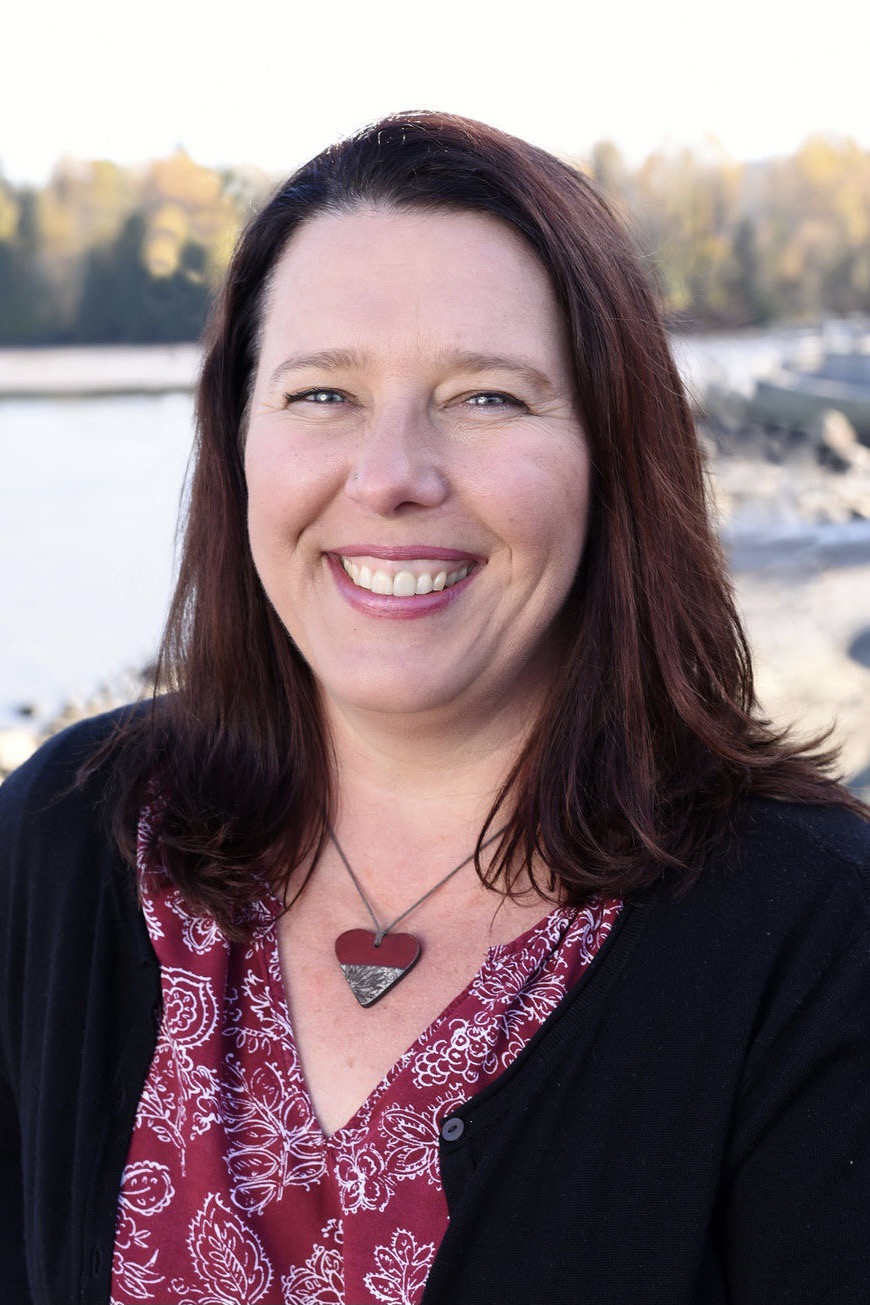

When I sat down with Dr. Vanessa Lee, ND, she had one request before we got started: please don't make this another blog about vitamins.
Dr. Lee is a licensed naturopathic doctor whose practice centres on acupuncture and energy healing — Reiki, the Wonder Method, and guided meditations she walks clients through in session. She affectionately calls this the "woo woo" side of her work, and it's her favourite part. "I'm not trying to change people's belief systems," she says. "But having that connection with parts of themselves that are a little bit deeper than just the physical seems to move people forward in a deeper way, where they're creating transformation that lasts longer."
Our conversation centered on what happens when we stop treating the body and the mind as separate departments and start caring for one whole being.
The body sets the stage for mood
Dr. Lee describes her practice as looking at all parts of a person — physical, emotional, mental, and spiritual. On the physical side, she starts with what she calls "the basics of life": blood work, sleep, food, movement.
For example, thyroid function matters. Low thyroid can show up as low mood and difficulty regulating and an overactive thyroid often brings anxiety. Imbalanced blood sugar creates spikes and crashes that leave people "hangry" and easily dysregulated. And iron levels have to be strong for person to feel strong.
When the basics are in place and someone still isn't thriving, she looks deeper — at the energy flow through the meridian channels used in acupuncture, and at what might be stuck beneath a recurring symptom. "Sometimes, if it keeps coming back, we ask why it isn't healing fully. Is there an addiction? Is there a chronic emotion that's stuck there?"
The relationship runs both ways. "If the biochemistry isn't balanced, it's harder to be emotionally balanced,” she explains. "But if you're emotionally struggling or feeling stuck in certain patterns, that dictates your biochemistry as well. It's a cycle. Everything is just one thing."
"I didn't think I'd talk about this"
One of the most common misconceptions Dr. Lee encounters is that naturopathy is only to fix a physical issue. Patients arrive seeking help with hormones, pain, or digestion — and are startled when she asks about their mental wellness. "People start crying," she says. "I don't think they expect to be seen as a whole person.
She also notes that the profession has shifted. Much of today's naturopathic training is more medically geared — she estimates most naturopaths in BC now prescribe and offer IVs — and social media tells people exactly what's wrong with them before they ever book an appointment. The holistic, whole-person roots of the field can get lost. Her own practice is a deliberate counterweight: fewer protocols, more listening.
Two stories of breakthrough
Lisa (not her real name) is a breast cancer survivor. After her mastectomy, chemotherapy, and the endless management of treatment side effects, she came to Dr. Lee feeling fragmented — "like her spirit and her higher self and her physical body were all not looking at each other." She was low, exhausted, and barely able to be present for her family.
Over several sessions, they blended acupuncture, energy healing, and guided meditations for reconnection, alongside targeted nutritional support for the depletion that cancer treatment and stress leave behind. After just two sessions, Lisa noticed the shift: she felt more cohesive, more like one person again. Within a couple of months, she described feeling like a new version of herself — someone who had been through a lot, but who felt connected to herself once more.
Another client arrived with severe social anxiety. He wasn't interested in supplements or testing, but he was willing to try acupuncture and energy work. After a single Wonder Method session, he reported that 80% of his social anxiety had lifted and it never came back.
What is the Wonder Method?
The Wonder Method is a lesser-known energy healing modality — and, Dr. Lee says, the practice that changed her own life. She struggled with fairly high anxiety in her twenties and, since learning and practicing the method five or six years ago, she barely experiences it anymore.
Here's how she describes the process: you bring your awareness, very gently, to the physical sensation that lives behind a symptom. You don't push, and you don't try to fix anything. You simply pay attention, with enough gentleness that the sensation feels safe to unravel on its own.
Her favourite illustration is the yellow car. Imagine you nearly get hit by a yellow car while crossing the street. You're fine — but suddenly yellow feels dangerous. Your brain starts generating strategies: get rid of the yellow shirts, wear sunglasses, avoid that intersection. Cognitive behavioural therapy can help you challenge those thoughts. But the Wonder Method goes straight to the sensation underneath — the fear of yellow living in the body — and lets it dissolve. When the sensation is gone, the brain no longer has to manage the problem.
"If you have some sort of anxiety, it comes with a sensation in the body," she explains. "And that sensation is a driver for your brain to say, 'I feel unsafe.'" Several counsellors have asked whether this is somatic therapy. "I don't think it's the same," she says, "but it's probably very similar — we're working with sensation instead of just the brain."
This is also where she sees the limits of talk therapy. "I've had patients who say, 'I've gone to counseling for 15 years. I love my counselor. We have a great relationship. I've made a lot of progress, but I'm stuck.'" For those clients, body-based work can open a door that conversation alone hasn't.
Three strategies counsellors can share
Asked for practical, evidence-based approaches for clients struggling with stress or burnout, Dr. Lee offered three — and was clear that most belong in the hands of a medical or naturopathic team, with counsellors playing an encouraging, referring role.
1. Check the basics with blood work. Thyroid, iron, and blood sugar all influence mood and how we perceive stress. A simple panel through a family doctor or naturopath can catch imbalances that masquerade as mental health struggles.
2. Look at cortisol rhythm, not just cortisol levels. Saliva testing across the day shows whether cortisol rises appropriately in the morning and falls by bedtime. "Everybody needs cortisol every day," Dr. Lee stresses. "It's part of what gives you energy and resilience." Too little is as problematic as too much.
3. Give the brain building blocks. Neurotransmitters such as serotonin and dopamine are made from amino acids — which means it matters how much protein is in your diet and it’s important to have a healthy digestion system that is absorbing the protein. The conversion also depends on B vitamins, iron, vitamin D, magnesium, and vitamin C. Having basic nutrition in place either through the vitamins in their food or through supplements means a person has the basic building blocks in place to support the regulation of mood and emotions.
Meeting resistance with curiosity
Not every client arrives ready for change. Some come because a partner insisted; others are at the end of their rope. For some clients with PTSD, CPTSD, or ADHD, implementation of a recommendation of supplements or a lifestyle change, for example, might be difficult.
When a client is immersed in a pattern, they sometimes can’t see an option to change or may not have the motivation to change. Dr. Lee has seen the benefits of breaking down or segmenting recommendation into specific, actionable details, along with counselling to work on the root cause of the barrier. She also acknowledges the use of tests as data so the client can see where they may be physically deficient and how a supplement or lifestyle change would support their health.
When counsellors and naturopaths work together
Dr. Lee refers to registered clinical counsellors regularly, particularly when trauma responses come up or when a client has reached a plateau in talk therapy and physical testing might offer new insight. Her vision of ideal collaboration is simple: practitioners who communicate and stay on the same page about the client's holistic care. New routines and skills can bump up against emotional barriers; a counsellor can help a client navigate what comes up when they start to change.
Above all, she wishes more mental health professionals knew this: physical imbalances can show up as mental symptoms. "Looking at biochemistry gives you a rounded picture of a person," she says. "Supplementation can address the physical reason someone is unwell mentally or emotionally."
Where the research is pointing
The emerging research she’s most excited about is the gut–brain connection. The vagus nerve — the main nerve of the parasympathetic nervous system — carries signals between the brain, heart, and digestive system. When we're relaxed, the gut tells the brain, "We're calm; we can digest." Conversely, when we're in fight-or-flight mode, the brain tells the gut to slow down — which is why anxiety and trauma so often show up as indigestion. Digestive health, in other words, is mental health news.
The takeaway
If there's a thread through all of this, it's Dr. Lee's phrase: you are one whole being. Biochemistry shapes emotion, and emotion shapes biochemistry. Energy moves through the body, and unresolved trauma can stall physical healing.
Holistic whole-person care.
If you are interested in booking with Dr. Vanessa Lee, ND, please visit Aster Wellness Centre.


Comments